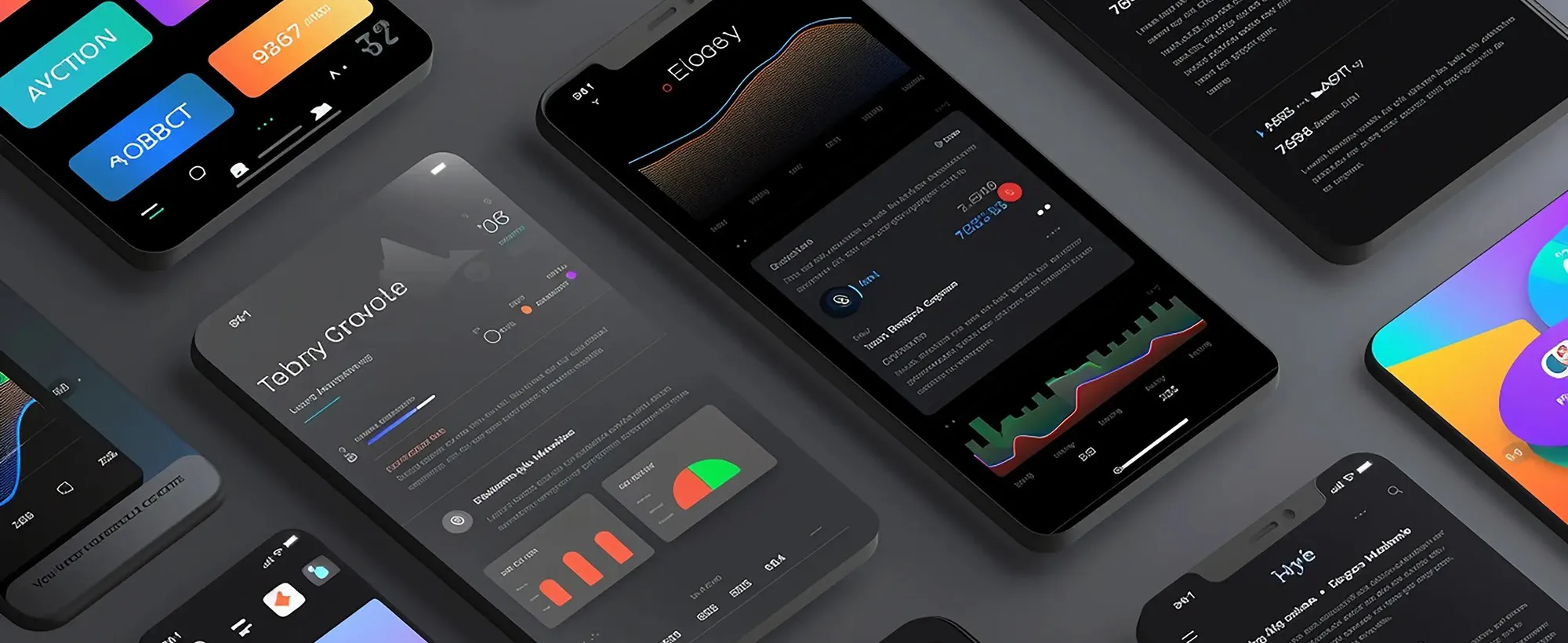
In today’s competitive online world, having a beautiful website is no longer sufficient. Users demand a website that is easy to navigate, loads quickly, and provides a seamless experience regardless of the device used. This is where UX (User Experience) and UI (User Interface) design come into play.
In this article, we will discuss the best practices of UX/UI design in 2026 and how you can implement them to design websites and applications that users love.
What is the Difference Between UX and UI?
UX (User Experience) design is all about the feelings that users experience when they interact with your website or application. It is all about usability, accessibility, and user satisfaction.
UI (User Interface) design is all about the visual aspects of your website or application, including colors, typography, buttons, icons, and layout. It is all about how your product looks and how users can interact with it.
Both UX and UI design need to come together to create a successful online product.
Why UX/UI Design Matters
A good UX/UI design has a direct effect on the following factors:
- User satisfaction
- Conversion rates
- Bounce rates
- Brand reputation
A good website design will keep your visitors engaged and will encourage them to take action, whether it is to make a purchase, sign up, or contact your business.
Best Practices of UX/UI Design in 2026
- Keep It Simple and Clean
Simplicity is one of the most essential principles of design. Avoid cluttered designs and unnecessary elements. Use white space effectively to make your content easy to read and navigate.
A clean design will make your website more usable and will help your visitors focus on what is important.
- Mobile-First Design
Given that most of your website visitors are mobile users, mobile-first design is a must. Make sure that your website is fully responsive and scales well on different screens.
Buttons that are touch-friendly, readable fonts, and fast loading speeds are a must for mobile users.
- Fast Loading Speed
Websites should load quickly. Any delay of a few seconds can lead to a higher bounce rate. Optimize your images, avoid unnecessary scripts, and host your website on a reliable server.
Loading speed is not only a usability factor but also a factor for higher search engine rankings.
- Clear Navigation
Navigation should be intuitive and easy to understand. Use simple navigation menus and labels. Visitors should be able to find what they are looking for in a few clicks.
A simple and well-organized navigation system enhances usability and engagement.
- Consistent Design Elements
Consistency in colors, fonts, buttons, and spacing gives a professional and credible look to your website. Consistency in design makes visitors feel comfortable and familiar with your website.
Develop a style guide to ensure consistency throughout the website.
- Strong Call-to-Action (CTA)
Every website should lead visitors to a specific action. Use prominent call-to-action buttons such as “Get Started,” “Contact Us,” or “Learn More.”
CTAs should be visually prominent and placed strategically throughout the page.
- Accessibility and Inclusivity
Modern UX/UI design should be accessible to all, including people with disabilities. Use readable fonts, sufficient color contrast, alt tags for images, and keyboard navigation.
Designing for accessibility enhances user experience and increases your reach.
The Future of UX/UI Design
In 2026 and onwards, personalization, AI-driven interfaces, and micro-interactions are gaining momentum. But the basics are still the same: user-centered design.
The secret to success is to understand your audience, test, and iterate.
Final Thoughts
UX/UI design is more than just making a website look pretty. It is about crafting meaningful and seamless experiences that keep users hooked.
By following these UX/UI design best practices, you can create digital products that not only attract visitors but also turn them into lifelong fans.